
This guide contains affiliate links; we may earn a commission at no extra cost to you.
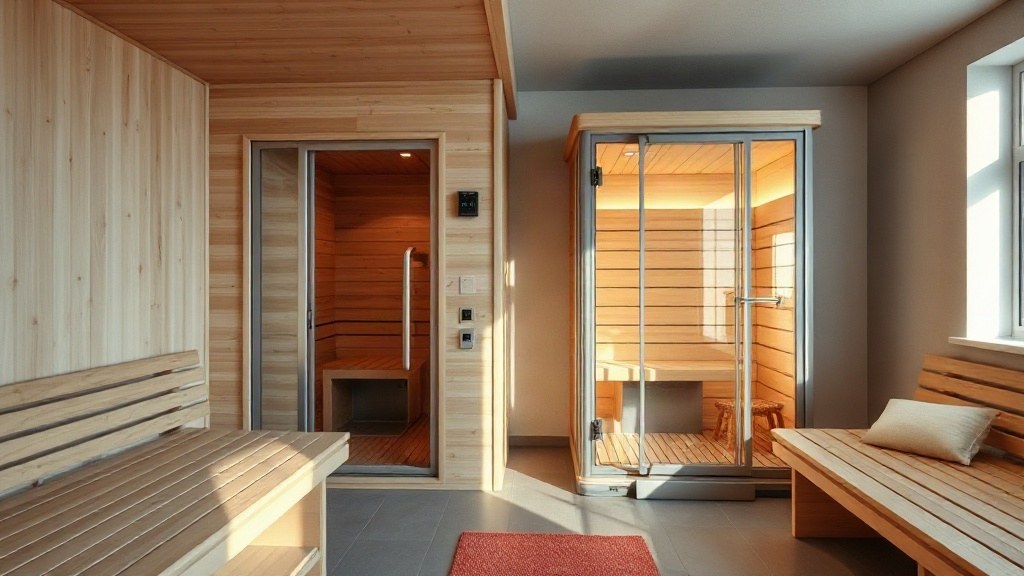
The short answer: a traditional sauna heats the air and the stones to roughly 150-195°F. You warm up from the hot air around you, and you can pour water on the rocks for steam. An infrared sauna uses panels that warm your body more directly. The air stays cooler, usually about 110-150°F, and the heat is dry. Infrared is typically cheaper to buy and run, and easier to install. Traditional gives you the classic hot, steamy sauna feel.
Last updated: October 2026
People search for this question in a few ways. You might type infrared vs traditional sauna, infrared vs dry sauna, or infrared vs regular sauna. They all mean the same thing, and this guide answers all of them.
One note on wording. A traditional sauna is often called a “dry sauna” or “regular sauna.” But you can add steam with water on the stones, so the heat is not always bone dry. An infrared sauna is the one that stays consistently dry.
How each type heats you
Traditional sauna. An electric, wood-burning or gas heater warms the whole room. As Cleveland Clinic explains, traditional saunas raise the air temperature and warm you mostly through hot air. Heater stones sit on top. Ladling water over them creates a burst of steam (known as löyly in Finland).
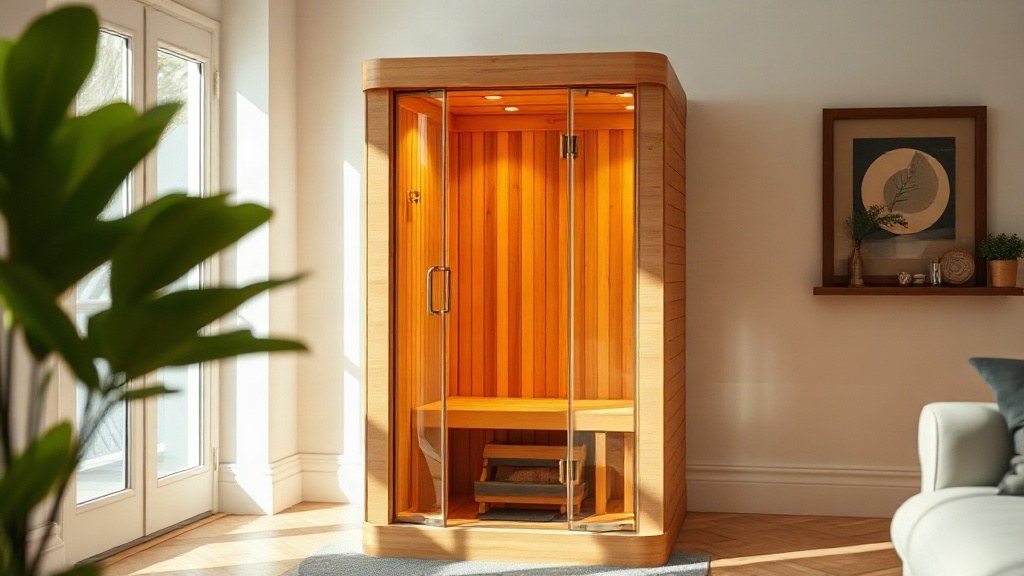
Infrared sauna. Infrared lamps or panels create radiant heat. Per the same source, they warm your body more directly instead of mainly heating the air. That is why the cabin can feel comfortable at a lower temperature. There is no stove and no water on rocks.
Temperature, humidity and warm-up time
Sources vary a little, so treat these as typical ranges, not guarantees. Always check the spec sheet of the specific model.
- Temperature: Cleveland Clinic lists 110-135°F for infrared saunas, while sauna retailers often quote up to about 150°F. Traditional saunas generally run about 150-195°F.
- Humidity: traditional saunas usually have low humidity (Cleveland Clinic says most are under 20%). It rises briefly when you throw water on the stones. Infrared stays dry.
- Warm-up: retailers commonly quote about 10-15 minutes for infrared and roughly 30-40 minutes for a traditional sauna to reach working temperature (Epic Hot Tubs, Recovery for Athletes). A short warm-up makes a sauna easier to use on an ordinary weeknight.
As for which heat is “better”, Cleveland Clinic’s Dr. Zack says that there is no clear indication one of dry or wet heat is better than the other. So choose on comfort, budget and space. If you have a health condition, are pregnant, or take medication, check with your doctor before using any sauna.
Infrared vs traditional sauna: comparison table
| Factor | Infrared sauna | Traditional sauna |
|---|---|---|
| How it heats | Panels warm your body directly | Heater warms the air and stones |
| Typical air temperature | About 110-150°F | About 150-195°F |
| Steam / water on stones | No | Yes |
| Warm-up (typical) | 10-15 minutes | 30-40 minutes |
| Heater power (typical) | 1.5-3 kW | About 4.5-9 kW |
| Power supply | Often a 120V dedicated circuit (small units) | Usually 240V hardwired |
| Price range (varies by source) | About $1,500-$6,900 | About $3,000-$11,000+ (custom builds more) |
| Maintenance | Wipe-down, check panels and connections | Wipe-down, check stones and heater, wood care |
| Best for | Apartments, small spaces, plug-in simplicity | Steam lovers, a classic hot-room experience |
Install and electrical needs

This is often the deciding factor. According to Haven of Heat, small 1-2 person infrared saunas typically run on a dedicated 120V, 15-20A circuit. Most traditional residential electric saunas need a dedicated 240V circuit. That is 30-60A, depending on heater size.
Sauna Place adds that traditional heaters usually need a 240V double-pole breaker, so a standard outlet will not work. Larger infrared cabins can also need 240V.
In practice, a small infrared cabin may just plug in (on its own circuit). A traditional sauna usually means hiring an electrician. Whatever you pick, have a licensed electrician confirm your panel and local code requirements first. Traditional saunas also need good ventilation and a heat-safe floor and walls. A wood-burning outdoor sauna needs a safe chimney setup.
Running cost factors
Running cost depends on heater kW, session length, warm-up time and your local electricity rate. Infrared units draw less power and warm up faster, so they usually cost less per session. One estimate from The Spa Team puts a 30-minute session at about $0.15-$0.25 for infrared and $0.45-$0.70 for traditional. Angi says infrared running costs are about half those of traditional.
Either way, home sauna electricity is generally modest, often a few dollars to a few tens of dollars a month. To estimate your own, multiply heater kW x hours x your price per kWh.
Price ranges
Prices differ widely between sources, so use them as a ballpark. Angi lists infrared saunas at $1,500-$6,900. Other guides put traditional saunas anywhere from about $3,000 to over $11,000. Sauna Place shows prefab infrared (1-2 person) at about $1,000-$5,000 and prefab traditional (2-4 person) at about $3,000-$8,000.
Add electrician costs for 240V wiring, delivery, and flooring or a ventilation plan. Outdoor barrel saunas are a traditional-style option. They add more cost but need no indoor space.
Space and maintenance
- Space: infrared cabins come in compact 1-2 person sizes that fit a spare room, corner or garage. Traditional saunas need clearance around the heater, plus ventilation. They are usually larger. Outdoor barrel and cabin saunas move the footprint to your yard.
- Maintenance: both need regular wipe-downs, towels on the benches and good airflow after use. Traditional saunas add stone checks and heater care. Infrared units add panel and connection checks. Follow your manufacturer’s manual.
Who each type suits
Infrared may suit you if you want a lower entry price, a quick warm-up or plug-in simplicity. It may also suit you if you find very hot rooms uncomfortable.
Traditional may suit you if you love the hot, steamy ritual and want to add water to the stones. It may also suit you if you plan to build a bigger or outdoor sauna, or want to share it with a group.
Where to start shopping
Browse these to compare real sizes, wattage and power requirements (check each listing’s spec before buying):
Curious about the cold side of recovery? See our guide on how to do a cold plunge at home, including safe water temperatures and timing. New here? Start here.
FAQ
Is infrared the same as a dry sauna?
Not exactly. Infrared saunas are always dry. A traditional sauna is also often called a dry sauna because humidity is low. But you can pour water on the stones to add steam.
Is an infrared sauna hotter than a traditional sauna?
No. Infrared cabins typically run at lower air temperatures, around 110-150°F, versus about 150-195°F in traditional saunas.
Can an infrared sauna plug into a normal outlet?
Many small 1-2 person models are designed for a dedicated 120V circuit, but larger ones need 240V. Check the manual and ask an electrician.
Which is cheaper to run?
Infrared usually costs less per session because of its lower power draw and faster warm-up. Your results depend on your electricity rate and how often you use it.
Which one should I choose?
Pick infrared for budget, speed and simple installation. Pick traditional for steam and the classic hot-room experience. Talk to your doctor first if you have health concerns.
Sources
- Cleveland Clinic: Possible Benefits of Infrared Saunas
- Cleveland Clinic: The Benefits of a Sauna
- Angi: Infrared vs. Traditional Sauna
- Sauna Place: How Much Does a Sauna Cost
- Sauna Place: Sauna Electrical Requirements
- Haven of Heat: Electrical and Plumbing Requirements
- The Spa Team: Sauna Cost Guide
- Epic Hot Tubs: Infrared vs Traditional Sauna
- Recovery for Athletes: Infrared vs Traditional Sauna
This article is for general information, not medical advice. We have not tested the products mentioned.